Showing posts with label Healing Environments. Show all posts

Saturday, November 10, 2012

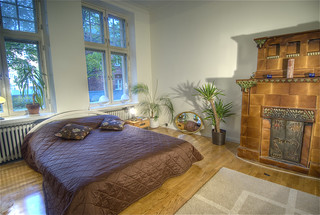
Bring Autumn Inside

Master Bedroom

Here are a few easy ways to welcome the fall season in your home:
  • Exchange crisp cotton bedding for cozy flannels with lots of warm layers.
  • Replace summer fruit with pumpkins and gourds as natural decoration.
  • Introduce darker, earthy tones in towels, pillows, and even rugs.
  • Give everything a good cleaning, and re-evaluate your possessions.  Just as nature releases her bounty, it feels good to let go of outdated items (and behaviors).


To read the entire post, written by Cheryl Terrace for blog.gaiam.com, click here.

Image Source: wili_hybrid via flickr.com

Sunday, April 1, 2012

Spring Cleaning!


Hey there Everyone!  We will be taking the month of April off from blogging on This Holistic Life.  It's time to do some spring cleaning and life organizing.  It's all a part of remaining balanced and refreshed.  Thanks for your loyalty over this past year.  It's been amazing growing, learning, and sharing with you.  We challenge you to do some spring cleaning in your own life.  Look around at your environment as well as inside of yourself, then decide what needs a makeover and take action.  We'll see you soon!

-This Holistic Life


Friday, March 2, 2012

6 Easy Ways to Work Healthier

Reduce stress, tension and toxins at work

Most of us spend a third of our lives at work! Make it a place that’s good for you. From improving your ergonomics to reducing eye strain and releasing stress fast, these six tips and solutions can make your corner of the office a healthier place to be.


1. Sit up straight
... on the Balance Ball®, designed by a chiropractor to coax your spine into perfect alignment. Also encourages “active sitting,” meaning you’ll tone core muscles and burn more calories just sitting there! Talk about multi-tasking!


2. See the light 
... and reduce eye strain with proper lighting.  Try an energy saving bulb and a light that swivels to put light right where you need it.


3. Clear the air
... and outsmart allergies, asthma, colds and flu.  Try an air purifier to remove the pollution particles that are most harmful to your health such as bacteria, dust, dander, pollen, smoke, mold and fungus spores.


4. Hydrate often
Adorn your desk with a gleaming, planet-smart style statement and you’ll never go back to plastic. A Stainless Steel Water Bottle lasts nearly forever and won’t absorb tastes or odors. 


5. Unkink your neck and back
... in a flash with stretches and breathing exercises you can do right at your desk.


6. Remain calm
... even when things get crazy.  Try some breathing and focusing exercises to help you reboot quickly.


The original post was written by Arielle Ford.  To read the complete post, click here: blog.gaiam.com.  

Thursday, December 29, 2011

How to Conquer Clutter Around the House

3 tips to reduce household messes

Our lives can be busy and chaotic and, often times, our house or apartment is the casualty of this fast-paced lifestyle. Things pile up, and messes are created. Your desk is a disaster, and your bedroom looks like a fashion war zone, not to mention that the garage is so full that you need to park your car on the street. You want to have the perfect Martha Stewart home, but keeping out the clutter is difficult. In order to help you help yourself manage your cluttered home, here are some tips from Good Housekeeping writer M.P. Dunleavey on how to conquer the clutter around the house.

Step 1: Don’t try to conquer the clutter alone

Many people get overwhelmed with the amount of work that needs to be done, and this can be especially true when it comes to removing clutter. You don't have to do it alone. Recruit a friend or your family to help you. Everyone who lives in the home should be a part of the organizational process. If you do it alone, all the systems will be made with your brain and your logic, which means that others may have trouble following them. If you recruit friends and family to assist you, they can then help maintain the new systems and lighten your workload.

Step 2: Keep, store and toss

Go through everything. Even if you think it’s all stuff you need to keep, you might find that you don’t need to keep it in such an accessible place. Sometimes the attic or the basement would be a more suitable storage place. As you are sorting, make three piles: a keep pile, a store pile, and a toss pile. Remember, though, toss doesn’t have to mean throw away. You can always have a garage sale and sell things you don’t need anymore or donate them to a local charity. By purging yourself of things you don’t use, you'll have a leg up on clutter, create more space and feel better. If you don’t need an item on a daily basis, put it in storage. Holiday decorations are only used once a year, so they should go deep into storage: on the top shelf of a closet, in the back corner of the attic or far under the bed.

Step 3: Create a place for everything

Give everything a home. Don’t just stick things in places to get them out of the way. Designate a spot for each item so that a week or a month down the road you will know both where to find it and where to put it back. To organize the clothes in your closet, make a system of grouping, either by color or style, and then stick to it. Having a system will help you later know where clothes are, where to put them back and help keep the scene of that fashion war zone out of your bedroom. When dealing with children's toys, be sure their most favorite toys are easily accessible so they have no trouble getting them out or putting them away.


Getting organized may seem an intimidating task, but the benefits of conquering clutter far outweigh the work it may take to get it done. Coming home to a well-organized and clutter-free house will bring you a sense of relaxation you'd never get when returning to a cluttered home.

This post was written by E.C. LaMeaux for blog.gaiam.com.

Wednesday, November 2, 2011

6 Ways to Create a More Peaceful Workspace


To get to my desk, I have to step over a pile of clothes I’ve been meaning to put away, clear boxes of books slated for charity and dodge an “in” tray that rivals the height of my five-year-old. On my windowsill sits a forlorn fern in its final death droop. I sigh. My office is decidedly NOT Zen-like.

But oh, how I long for it to be. A desk free of clutter, with healthy plants, a place for everything and everything in its place. Those who’ve achieved it say I can expect a boost in productivity and enjoyment in work, and a decrease in stress.

Gina Mazza Hillier promises me nothing less than “greater joy” if I can see my way clear — literally. Hillier is author of Everything Matters, Nothing Matters: For Women Who Dare to Live with Exquisite Calm, Euphoric Creativity and Divine Clarity and someone who has created her own Zen-like office space in her home.

She makes it seem so easy.

When she decided to work from home, Hillier removed everything from the space that would become her office. Then, she says, everything she put into that empty space — from the paint on the walls to the fresh flowers to the whimsical artwork — was placed there with intention.

And that seems to be the key, say the experts. Creating a space that nurtures your soul, boosts creativity and productivity, and encourages success is a product of consideration. Serenity is no accident.

And don’t confuse serenity with being laissez-faire, say the experts. A serene office will help us get more work done with less stress, leading to a fatter paycheck and increased well-being. I’m convinced. So where do I start?

1. Wipe the slate clean to get serene

Like Hillier, personal organizer Betsy Simmons – dubbed the “Queen of Serene” by her clients – suggests a clean slate, whether working from home or in an office tower. “Start from scratch and designate or zone this space within it for a specific purpose,” she recommends. “Remove everything. A fresh coat of paint is a good place to start.” Steer clear of red, orange or yellow, which Simmons calls fast colors, noting that they’re usually the colors of choice for fast-food restaurants. Instead, she recommends blues, greens and lavenders…but with a bit of punch to keep you calm but moving forward.

Starting with a fresh slate, promises Simmons, means that you create an environment that will work for you.

Then determine what you need in this location. A desk is generally a given, but choose a style that suits your needs without compromising. It’s too important a piece to try and simply make do, believes Hillier. Hillier also subscribes — “lightly,” she says — in the principles of feng shui. Simmons recommends the desk be placed facing a door and without a window to your back. “Open space draws energy from you and you want strength behind you,” she explains. Get a comfortable chair that keeps your posture erect but relaxed. “Or use a ball,” suggests Simmons. “It’s great for your posture.”

2. Work the system

Create a system and work it until it’s second nature, says Regina Leeds, known as The Zen Organizer and the author of six books including the New York Times bestseller One Year to an Organized Life and One Year to an Organized Work Life (January 2009). “Another word for system in this context,” she explains, “might be ritual, habit or routine. If your day is run by the whims of others, you won’t get much done.”

Simmons agrees. “The more you can control and maintain the space, the more time you have to catch the curve balls that keep coming.” With that in mind, create zones in your office that reflect the different aspects of your work life — a priority zone, which is usually what you’re working on, a reference zone, and so on. Choose a system of organization — alphabetical, color-coded, by date or topic — that works best for you. Then stick with it, always returning things to their rightful zone.

Simmons also suggests that those of us seeking office serenity start each day with a plan. “Each minute of planning can save one hour of execution.” Then spend a few minutes at the end of the day on cleanup. “Do not pass it on until tomorrow!” she insists. “What a horrible way to start a day…by finishing up yesterday.”

3. Clear the clutter

While every magazine promises us the key to curing our lives of clutter, why do so few of us succeed? “Getting organized is a skill,” reminds Leeds. If it’s not something that we learned from parents or that comes naturally, it’s something we not only need to learn now, we need to take action to implement. With that in mind, clear anything out of your office that isn’t directly related to your work or to helping you work. That means kids’ toys (gulp), family photos (double gulp) and any extraneous stuff that isn’t currently relevant to your work or to creating a peaceful space.

4. Green and light are a go!

Bring in live plants. Not only do they help clean indoor air, they’re a positive life force. And by all means, light candles that lend an air of calm. Ensure that they’re nontoxic. Artwork that inspires is a great addition to any office space. And don’t just think of your walls. A beautiful rug can be art for your floors. Hillier includes fresh flowers in her office space. “They add to my energy,” she says.

5. Use the zone concept to get more done

Keeping in mind your office zones, tackle work in the same way. Group together tasks, such as phone calls or errands, blocking out more time than you think you’ll need to ensure that you complete tasks and complete them well. Leeds reminds us that “Time is a commodity. It can be wasted but never recovered.”

6. Work to live, don't live to work

Our work should complement our lives, giving us greater meaning, greater joy and greater balance. An office space that soothes our soul while it stokes our energy will be a place we’ll look forward to entering. It will lead naturally to a career that enriches not only our wallets, but our beings.

This post was written by Leslie Garrett for blog.gaiam.com.

Friday, October 28, 2011

Don't Let Stress Win Out

When life gets too fast-paced, chill out with these easy ways to a calmer and healthier you. 

Q: I'm constantly juggling, which can be stressful. How can I relax more?
A: For most of us, stress is a fact of life. In a recent national health study, 78 percent of women said that they regularly experience stress or anxiety. Research indicates that working moms are the most highly stressed group compared with men and other women. But there's a lot you can do to manage and even prevent anxious feelings.
Keep your surroundings soothing. Sunlight increases the brain's levels of the calming chemical serotonin, so take your breaks outside or at least near a window. Surround yourself with calming colors like lavender and blue instead of high-energy colors like red and orange. Minimize irritating background noises like ringing telephones and office machines by closing your door, getting a sound machine or even using earplugs.
Get moving. Regular exercise, such as brisk walking, running or bike riding, stimulates the brain to produce mood-boosting chemicals called endorphins.
Eat right. Limit caffeine intake to no more than four beverages a day and keep refined sugar in your diet to a minimum. Caffeine can increase your heart rate, and sugar can lead to elevated levels of the stress hormone adrenaline in your body. Try substituting peppermint tea for a cup of coffee. And avoid skipping meals, which lowers blood sugar and elevates adrenaline.
Sleep at least seven to eight hours. When you're not rested, it's easy to become irritable and stressed because you have less energy to deal with problems.
Plug into pals. Make time to talk and meet with friends. Research shows that having a support system can reduce the effects of stress. Acknowledging the stressors in your life can help you find solutions and feel less alone.
Tighten your to-do list. Strive to be a good working mom, not a perfect one. Do your best to plan ahead and stay organized, which will help you feel more in control. And pick your priorities before you say yes to every request you get, say, from your child's school or from work.
Take breaks throughout the day. No matter how swamped you are, take a deep breath and stretch, even if it's just for a minute or so.
Find time for yourself. Rather than considering time for yourself as another item on your to-do list, think of it as doing something you love, even for just a few minutes. For instance, listen to your favorite music at your desk. Get up ten minutes earlier than the rest of your family to watch the sun rise. Stock your bedside table with a paperback to enjoy at the end of the day. And when you can, schedule longer pleasure times to meet a friend for lunch (remember that support system?), participate in a book club or get a massage. Take a break once in a while, and everyone in your life will reap the benefits.
Q: I've heard that some stress is good for you, but I've also heard a lot about how it can be bad for your health. Which is true?
A: Both. Short-term stress can be a terrific motivator at work, urging you to meet deadlines or complete time-sensitive tasks like writing a memo or polishing up a presentation. On the other hand, some health problems have been associated with prolonged stress. These include elevated blood pressure, which can increase your risk for health problems such as heart disease and stroke, a weakened immune system, infertility, headaches and stomach ailments. Stress can also disrupt sleep, trigger skin inflammations like hives, rashes and acne (possibly due to elevated stress hormones) and exacerbate existing conditions such as irritable bowel syndrome or eczema. Weight gain is another problem: Research shows that women tend to make unhealthy dietary choices when they're stressed and may eat food more quickly. Plus, some research suggests that chronic stress can elevate the body's cortisol level, which may cause fat to accumulate around the stomach. One study on mothers found that those with the most stress had changes in their chromosomes that were equal to having aged nine to 17 years. And mentally, stress can lead to moodiness, depression, anxiety and difficulty concentrating. However, in a surprising and welcome development, research from the Fred Hutchinson Cancer Research Center in Seattle finds little to support the widely perceived link between stress and cancer—giving us one less thing to stress about! 
Our Expert: Jay Winner, MD, family physician, director of the stress-management program at the Sansum-Santa Barbara Medical Foundation Clinic and author of Stress Management Made Simple: Effective Ways to Beat Stress for Better Health.

This post was written by Michele Bender for WorkingMother.com.

Friday, October 7, 2011

3 Simple Relaxation Techniques

Tips for De-Stressing Quickly

One of the most important keys to maintain good health is the ability to relax. Relaxation is good for the body. It adjusts our hormone levels while lowering our heart rate and blood pressure. Relaxation helps us fight illness, and it heightens our mental abilities. In May of 2009, the Mayo Clinic called regular de-stressing an important technique for improving health.
You may struggle to become relaxed, or it seems to take a long time. However, there are some very simple and effective relaxation techniques available to you to help you quickly glide into a calmer mental and physical state. We all have a built-in relaxation response, and the goal is to trigger that response with simple relaxation exercises.

Adjust your environment

Find a quiet place where you can close your eyes comfortably and just "be" for a few minutes. Choose features that specifically help you mentally and physically relax, such as soft music, a comfortable chair, non-distracting lighting and agreeable room temperature. If you will be more comfortable, remove your shoes.

Guide your relaxation all the way through your body

Rest your hands on your legs just above the knees. Mentally picture the stress leaving each part of your body as you concentrate on that part. Start with your head, noticing and mentally releasing tension in your neck, face, forehead and so forth. Next, move your mental relaxation to your shoulders, then back, chest, stomach, thighs, knees, lower legs and feet. Keep your thoughts simple and gentle.

Focus on your breathing

Take deep breaths, in through your nose and out through your mouth. After guiding your relaxation exercise all the way from the top to the bottom of your body, continue breathing deeply with thoughts of wellness. Pastor and motivational speaker and writer Joel Osteen recommends mental exercises during the breathing in which you think about affirmations such as:
  • I am breathing in joy. I am breathing out strife.
  • I am breathing in strength and healing. I am breathing out illness.
  • I am breathing in refreshment and encouragement. I am breathing out defeat.
With practice, you can reach a very deep state of mental relaxation in just a few minutes, after which you will feel noticeably rejuvenated and alert. You can do each relaxation exercise on this list in tandem or separately, and you may supplement these techniques with additional tools. For example, you may choose to record a short guided relaxation exercise to listen to as you step through your personalized strategy.
Relaxation is an important part of good health, vital for maintaining clear-mindedness and overall wellness. Make time for it every day, and develop a relaxation technique that deeply relaxes you quickly. You'll find that your built-in relaxation response will make it easy to relax with just a little practice.
Give yourself a comfortable place with no distractions; gently, mentally walk through your body to release tension throughout; and couple your guided relaxation exercise and self-edifying affirmations with deep, cleansing breathing. You will find yourself not only relaxed but also alert, strengthened and more enthused for that next set of challenges.

This post was written by E.C. LaMeaux for blog.gaiam.com.

Wednesday, June 22, 2011

A Favorite Healing Environment


Coffee shops still remain one of my healing environments.  They embody tranquility, simplicity, & comfort.  Whether it's coffee or tea in my cup, I can sit back, relax, listen to some great music and read a great book.


Friday, June 17, 2011

Make Your Space Sacred


Want to create a quiet, inspiring space for rituals like meditation or yoga— or just a place in your home that helps you feel more connected to what's meaningful in your life?
Creating your own sacred space lets you express your very human need for ongoing spiritual nourishment. Whether it's at home, at work or in some "third space" such as a hotel room when traveling, everyone can benefit from creating places where they intentionally choose what surrounds them.
Your sacred space might contain a single object such as a statue, sculpture or private altar you deliberately place in a special location, or it may be an entire room or garden or even your entire home arranged with furnishings, objects and décor that have special meaning for you.
"It's a place to be reborn and renewed every day — a place to find rest," says Las Vegas interior designer Laura Rogers. "It's about drawing yourself inward and getting closer to what's in your heart."
Rogers offers these tips on using décor, lighting, sculptures, altars, furniture and more to tangibly connect with the sacred or spiritual side of yourself.
Start by defining what "sacred" or "spiritual" means to you
If "God is in the details," as the saying goes, the places you live and work can make your spirituality more a part of your everyday life. And that can go a long way toward helping you feel more centered, grounded and happy. Your definition of what's sacred is as individual as a fingerprint. Yet unlike a fingerprint, your personal ideas and expression of what is sacred can evolve and change over time.
Decide what you want from your sacred space
Before you begin, think about what you're seeking and decide how you want to use it. Do you want to: 
  • Create a private sanctuary for meditation and prayer, or simply for quiet reflection?
  • Find serenity while you're at home?
  • Call up the same peaceful feeling when you're away by visualizing your home space?
  • Designate a shared space for connecting with others?
  • Deepen intimacy through regular family time in a special place?
Find inspiration in what you love
Make your sacred space personal. Choose what tastes, sounds, smells, looks and feels good to you. Choose objects that give you energy, inspire you or help you get into the ritual of your meditation, yoga, prayer or other sacred practice.
Also consider using a screen, curtain or other boundary to make your sacred space feel more contained, relaxing and personal.
Consider your personal reasons and occasions for wanting a sacred space
Creating a sacred space can be something you do once in your lifetime or every day, alone or with loved ones. Get creative with these ideas:
Seasonal rituals to celebrate and commemorate:
  • Changes of season
  • Endings and beginnings of any kind
  • Anniversaries and special occasions
Specific, one-time events:
  • To consecrate a new space or transform existing space
  • To celebrate a relationship or a success
  • To clarify an important decision or change
  • To be more present or conscious in any aspect of your life
Where should you locate your sacred space?
A single object can increase your awareness of your spirituality and connection with what is sacred to you. An entire room can invite you into your deeper self. You can create your sacred space:
Where you can see it — across from your bed, desk, sofa or kitchen table
As a small part of any room — whether it's a single object, an arrangement or altar
Wherever you have room — if not an entire room, then a corner of a room (a bamboo screen or shoji screen creates an ideal space), or even a closet
In a secluded area — such as a spare room or a corner of your bedroom reserved especially for meditation
In the garden — out of doors, when nature's voice is what you need
What kinds of items should you include in your sacred space?
This is your personal space. Knock down walls if you need to. What speaks to you, inspires you, moves you?
  • Mementos: personal items that are meaningful to you
  • Talismans: symbols of peace and safety
  • Visual art: your own, your friends', postcards of famous works
  • Photographs of loved ones and special places
  • Statuary: traditional symbols of divine and protective energies 
  • Stones and shells that hold memories from special places
  • Candles and incense
  • Color, light, texture, fabrics, carpets, mirrors, fountains, chimes
  • Plants, flowers and other living things
  • Musical instruments and favorite calming music or ambient music CDs
  • Sacred texts or words of wisdom — from any and all faiths
Use your power of intuition
Whether your life is urban, suburban or rural, whether your home is a sprawling estate or a studio apartment, you can create a special place for simple reflection, traditional meditation, ritual and ceremony. "It all starts with a desire within me to make something beautiful," says Rogers. "I want to make the sacred space in my house as comforting as I possibly can. I might have been inspired by a picture in a magazine, or something in a movie will trigger my thinking. I'll go about finding another piece of furniture to do that or rearrange something and it just happens."
Remember that this space is yours. Honor your heart's desires. Trust your intuition to show you where to put it, what to include, how to use it — and see where it takes you.

Make Your Space Sacred: How to create a special place for yoga, meditation or me-time was written by Katherine Robertson-Pilling for blog.gaiam.com.

Tuesday, May 31, 2011

Healing Environment


A Healing Environment is any space, location, or environment that positively impacts your mind, body & spirit by reducing stress and increasing relaxation. Create a space at home, work, or where you feel most comfortable, that constantly promotes your health & well-being. Return to this space as often as you can to rejuvenate your mind, body, & spirit.


Image from Backyardxscapes.com


Thursday, May 12, 2011

Art & Healing

Most research involving art and healing involves cancer patients.  The research demonstrates a decrease in pain perception, faster recovery, and improved outlook on life. 

I believe that art and healing is effective for all who use it.  I’ll be sharing various creative processes that enhance our well-being here at This Holistic Life. 

Displayed is an example of the artwork of cancer patients used to inspire healing and hope at Shands Hospital in Gainesville, FL.


Monday, May 9, 2011

My Inspiration- Today

I find inspiration in so many places.  Today, I found inspiration at a beautiful local park.  My son and I walked around the lake and enjoyed the warm weather.


Every moment matters.  Enjoy the little things & stay inspired!


Thursday, April 28, 2011

Where Is Your Healing?

Spas have always been an optimal healing environment for me.  Have you ever stopped to think about your yours?  

Maybe spas don't do it for you, but that warm, clutter-free, space in your basement does the trick.  Maybe it's your favorite park with the hiking trails and flower gardens.  Maybe it's your local art gallery or your warm, creativity-inspiring office.

Whatever environment provides you healing, remember to spend quality time there.  This will ensure that you are relaxed, refreshed and ready to put your best foot forward everyday.

If you have never considered your healing environment, here is a bit of inspiration:  
Related Posts Plugin for WordPress, Blogger...